In today’s fast-evolving business landscape, skills gaps are a pressing challenge. Research shows that a staggering 75% of CEOs cite skill shortages as the top barrier to growth. These gaps not only hinder organisational progress but also impact employee development, retention, and overall performance.
But how do you pinpoint these gaps effectively? Traditional methods—like surveys, assessments, and manual audits—are slow, labour-intensive, and often outdated by the time they’re completed. A top-down approach, where managers dictate skill priorities, lacks collaboration and fails to capture the full picture.
What Exactly is a Skills Gap?
A skills gap is the mismatch between the competencies your team currently has and those they need to excel. These gaps fall into three key categories:
- Hard Skills: Technical abilities like coding, CRM expertise, data analysis, or industry-specific certifications.
- Soft Skills: Interpersonal strengths such as communication, leadership, adaptability, and emotional intelligence.
- Proprietary Skills: Unique organisational knowledge—processes, systems, or culture—that can’t be learned elsewhere.
Gaps exist at every level—individual, team, and organisational. For example:
- A marketing team lacking AI-powered analytics skills may fall behind competitors.
- A manager struggling with conflict resolution could lower team morale.
- A company expanding into new markets without cross-cultural negotiation expertise faces avoidable risks.
Why Identifying Skills Gaps Matters
Understanding these gaps is the first step toward closing them. It enables:
- Targeted Learning & Development (L&D): Replace generic training with programs tailored to actual needs.
- Future-Proofing: Anticipate talent shortages (e.g., AI literacy) and align skills with long-term business goals.
- Employee Growth & Retention: Employees stay engaged when they see a clear path to advancement.
- Strategic Prioritisation: Not all gaps need immediate attention—focus resources where they’ll have the most impact.
Traditional Methods vs. Modern Solutions
Classic approaches—surveys, KPIs, and skills audits—are valuable but time-consuming. As one L&D leader shared, mapping skills for a single role can take months, only to become obsolete as technology evolves.
The AI Advantage:
- Real-Time Insights: AI analyses performance data, peer feedback, and industry trends to flag gaps instantly.
- Personalised Learning Paths: Recommends courses, mentors, or projects based on individual gaps.
- Scalability: Adapts to organisational changes (e.g., mergers, new tech adoption) without manual updates.
- Proprietary Knowledge Integration: Captures institutional expertise that generic training misses.
The Power of Collaborative Learning Enhanced by AI
Collaborative learning thrives when subject matter experts (SMEs) share knowledge, but SMEs often lack time to create materials. AI bridges this gap by:
- Drafting training content for SMEs to review and refine (saving 50+ hours per course).
- Identifying internal experts who can mentor peers in specific skills.
- Using natural language processing to turn meeting notes or docs into micro-learning modules.
Example: A sales team used AI to identify gaps in consultative selling. SMEs then recorded 5-minute coaching videos (based on AI prompts), boosting close rates by 20% in one quarter.
A Smarter Approach to Skills Gap Analysis
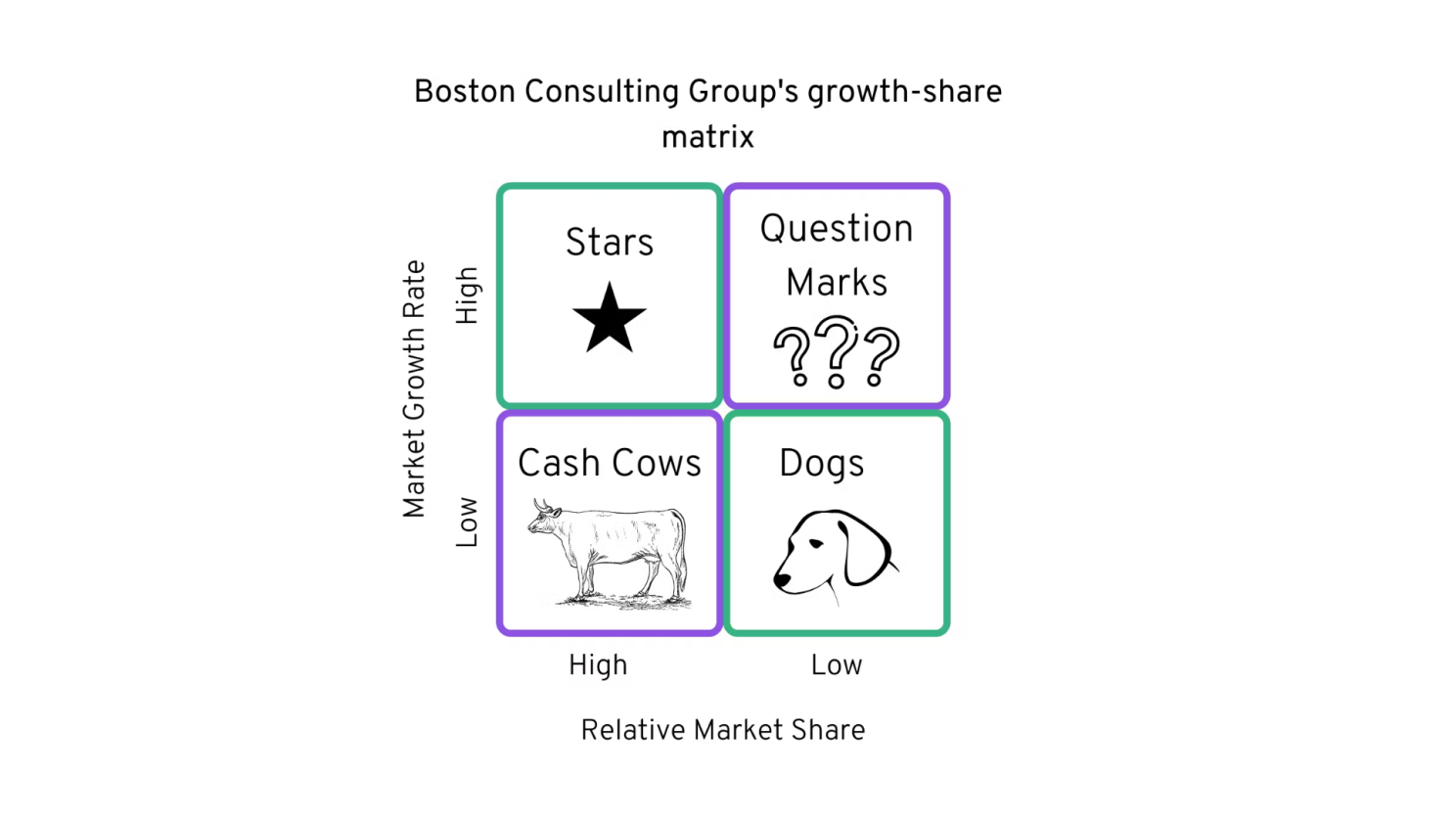
A dynamic skills gap analysis, inspired by frameworks like BCG’s growth-share matrix, helps prioritise training investments:
- Stars: High-impact skills aligned with business goals (top priority).
- Workhorses: Foundational skills that reinforce core operations.
- Question Marks: Challenging-to-train skills with potential high returns.
- Dogs: Low-impact skills that may not warrant investment.
While manual analysis is slow, AI streamlines this process, keeping your strategy agile and up-to-date.
The Future of Skills Development
The most successful organisations will:
- Embrace Continuous Assessment: Replace annual reviews with real-time skill dashboards.
- Leverage AI + Human Expertise: AI identifies gaps; SMEs provide context and mentorship.
- Foster a Growth Culture: Reward skill-building as much as goal achievement.
Case Study: A tech firm reduced onboarding time by 30% after using AI to personalise training for new hires based on their unique skill gaps.
Your Next Steps
- Audit: Use AI tools to scan your organisation for critical gaps.
- Prioritise: Focus on "Stars" and "Question Marks" first.
- Act: Launch tailored programs—micro-courses, peer coaching, or hackathons.
The bottom line? Skills gaps are inevitable, but with the right strategy, they’re also solvable.
How is your organisation tackling this challenge?
At Aliiev Consulting, we assist organisations in identifying their skills gaps and providing solutions to fill those gaps.